

As someone who has had an Xbox console since the Xbox 360 era, it’s safe to say that I’ve experienced the highs and lows of being a fan of team green. However, recent times has seen many Xbox users like me lose faith in the brand, and slowly come to question whether Xbox is doing enough to prevent their audience from considering other ways to play their favourite games.

Whether it’s the lack of well-received first-party titles, the decreasing value of game pass, or the consistent stream of false promises and anticlimactic optimism, Xbox are truly struggling to keep long-time fans on board. And with the recent news such as changes to Xbox Game Pass tiers and the closure of well-known studios Tango Gameworks and Arkane Austin, the brand seems to be in hot water once again.
But can Xbox restore the faith of a fan base that has been left disappointed for the last decade? And what will it take to stop them from being overshadowed by their competitors, and possibly pushed into obscurity?
The Ups & Downs of Xbox
Since the brand’s conception in 2001, Xbox has had quite the roller coaster ride, with plenty of high and lows. But when you sum up the 20+ years of Xbox, it is unfortunately clouded with negativity.
Xbox did come out the starting blocks well, as the original console showed plenty of promise. Whilst it couldn’t compete with the sheer might of the PlayStation 2, which is still one of the most successful games consoles ever, it did stake its claim as a viable alternative, as well as somewhat of a spiritual successor to Sega’s consoles.
During this time, Xbox Game Studios also introduced a number of exclusive titles which would go on to become cornerstones of the Xbox franchise. Fable and Halo stand out as the most successful games of this era.
After setting up strong foundations with their first attempt, Xbox would reveal their next console in 2005. The Xbox 360 was a huge success, acting as a trailblazer for online gaming.
Even though Xbox Live – the console’s online platform – was first introduced in 2002 on the original Xbox, the Xbox 360 would be where the concept would truly come to life. With Xbox Live, gamers could chat with friends and play games together without being in the same room, all without hindering gameplay.

This revolutionary console was reinforced by a plethora of timeless classics, such as Gears of War, Forza Horizon, and the Mass Effect Trilogy. The 360 wasn’t without its problems however, as the ‘red ring of death’ would plague an entire generation of gamers that wanted to get their hands on the latest titles.
Overall, the Xbox 360 was a huge success for the brand, and put the next console in a great position to go toe-to-toe with the two juggernauts of the industry – PlayStation and Nintendo.
Unfortunately, the Xbox One would fall short of expectations, setting the company on a downward slide they are yet to fully recover from. It’s no secret that the Xbox One was almost the last Xbox console, as the brand considered calling it quits.
But why did the Xbox One fail? One of the biggest reasons is the lack of focus on the games themselves. Instead, the games console was pitched as an all-in-one entertainment system.
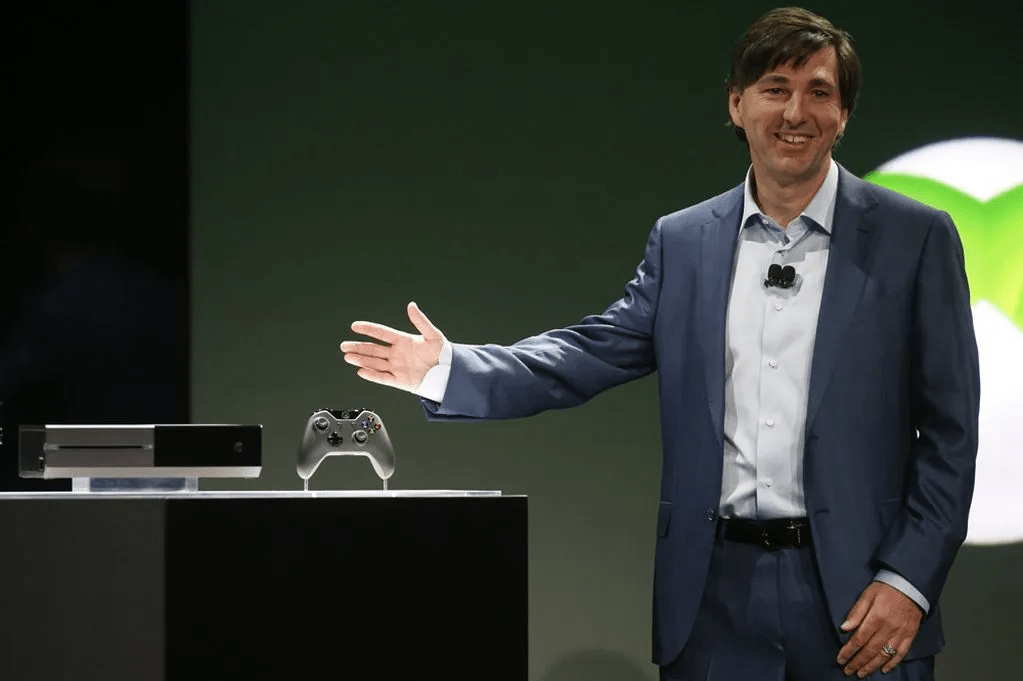
This decision spiked up the price point, with the company initially forcing gamers to pick up a Kinect webcam alongside the main console. On top of this, the Xbox One implemented a number of restrictions to make it more difficult to play games, such as region-locking and strict online requirements.
To add salt in the wounds, the gaming catalogue throughout the consoles lifespan was fairly weak, with the presence of first-party titles severely lacking. New IPs such as Ryse: Son of Rome and Sunset Overdrive failed to get off the ground, and even mainstays like Halo and Gears struggled to find their footing.

There were some bright spots. For example, the introduction of Game Pass quickly gained a reputation for being the best deal in gaming, giving players across the globe a chance to play a selection of the latest and greatest titles.
But on the whole, the Xbox One was considered a major flop. So in order to save their reputation, Xbox would have to ensure their next console would provide significant improvements across the board.
The Last Straw
The current generation has been touted as a major flashpoint for Xbox, with the future of the brand relying heavily on the success of the Series X and Series S consoles. If the sales were to underperform once again, it would surely mean the end of the Xbox brand as we know it. In fact, it could lead to a similar fate that Sega suffered in 2001.

Before launch, the new consoles were showing plenty of promise, which was amplified by a commitment to bring more AAA exclusives to the platform. Not only was the Series X considered the most powerful console on the market, but the Series S provided a value proposition that others would struggle to compete with.
The 2020 Xbox Showcase presentation was a particular highlight, as it was jam-packed with jaw-dropping reveals. From exciting new titles such as Avowed and Everwild, to the return of fan favourites like Fable and Psychonauts 2, Xbox brought out all the stops to get gamers on board the Series X/S hype train.
But in the years after launch, Xbox have yet to deliver on these promises. Only one of the four previously mentioned titles has arrived on Xbox platform. What’s more, they are other examples of games yet to release from this presentation, like State of Decay 3 and The Outer Worlds 2.
And whilst there have been some good first-party releases during the current generation, with Hi-Fi Rush and Forza Horizon 5 standing out as big successes, the net response has been rather negative. Along with lots of announced games receiving no updates, many of the first-party titles released have underperformed.
Because of this, Xbox have taken another approach to bolster their offerings- acquisitions.
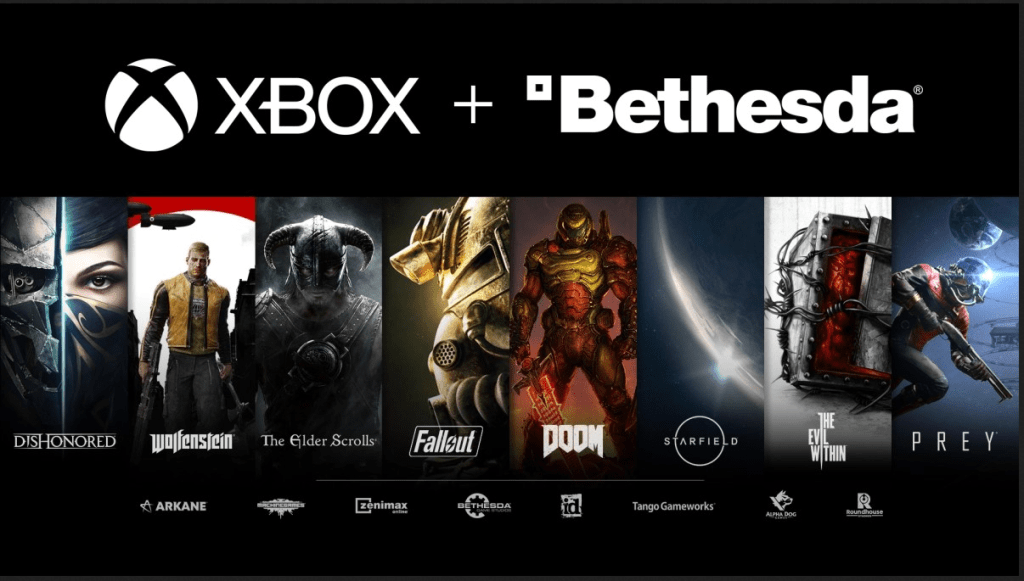
Within the current console generation, Xbox have made two monumental acquisitions. Gaming giants Bethesda and Activision Blizzard have joined the catalogue of other studios brought under the Xbox banner, such as Rare and Mojang.
The Activision Blizzard takeover was a particularly hot topic within the gaming industry, as other companies questioned the ethics behind the purchase and whether it would set a precedent for a massive company like Microsoft to dominate the market with sheer force.
After a lengthy legal battle, Microsoft managed to convince the authorities to green light the acquisition, allowing Xbox to gain the rights to some of the most popular franchises in the world, like Call of Duty, Diablo, World of Warcraft, Overwatch and more.
Whilst these purchases instantly bolster the selection of first-party titles, there are some complications that come along with it. For example, taking popular franchises away from other platforms is likely to spark outrage within the community, so Xbox will need to find a balance between appeasing the fans while getting suitable returns for their investment.
The new Call of Duty shows us what Xbox’s strategy will be in relation to these titles, with the game releasing simultaneously on other platforms while being available on Xbox Game Pass day one. I think this is a sensible approach, as it ensures the core fan base are not isolated while giving gamers a small incentive to switch over to the Xbox platform.
However, this strategy also includes plenty of risk. Not only will some gamers no longer be interested in migrating to Xbox for these benefits, but some Xbox fans will be convinced to switch over to PC, or even PlayStation, as they can receive a similar experience on these platforms while gaining access to the benefits and exclusive content on the other platform.
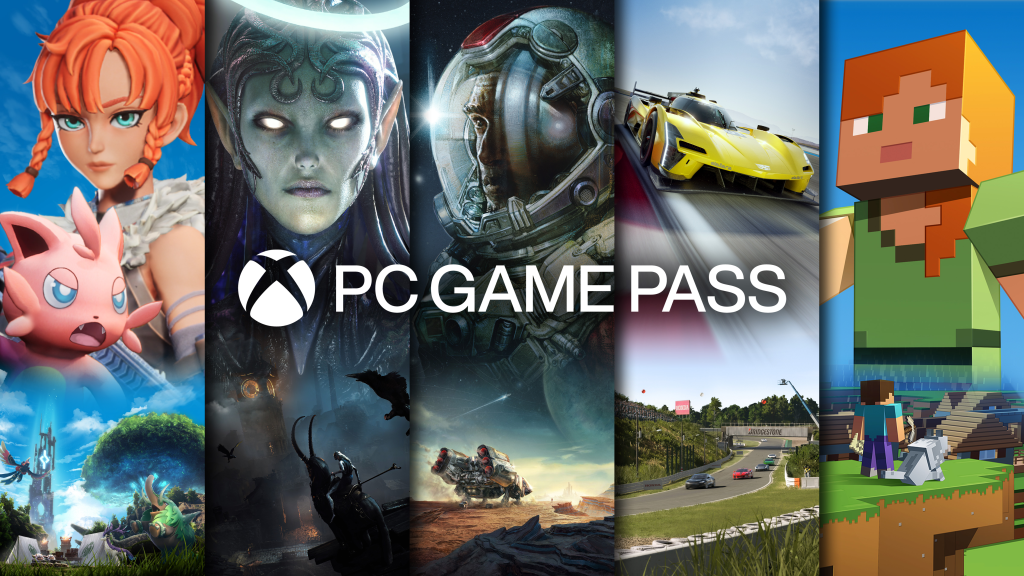
Another potential disaster is games from these franchises flopping. So far, the likes of Starfield and Call of Duty Black Ops 6 have been financial successes, but what happens if these games fail to excite fans? After all, one of the reasons Microsoft were able to acquire the studios in the first place was due to their declining reputation.
One or two unsuccessful releases could lead to a downward spiral for these games that will be difficult to recover from. And considering Xbox themselves are not in the best position at the moment, the possibility of this landsliding into the end of the entire brand is not out of the picture.
But that’s not the end of their troubles, as the hardware has also led to a number of issues. More specifically, game developers have struggled to publish their games on Xbox, with optimisation for the Series S being the root of this problem.
At the start of this generation, Xbox promised that all games would be available on both the Series X and S to avoid confusion and ensure gamers on a tight budget don’t miss out due to hardware limitations. In theory, this seems like a great idea. But in practice, this has led to many complications that caused lots of major titles to skip out on an Xbox release entirely.
Some prime examples include Baldur’s Gate 3 and Black Myth:Wukong, which have released on other platforms before Xbox due to restrictions applied by Xbox themselves. As a result, they sacrificed a huge amount of game sales to other platforms. It is worth noting that Xbox have started to make exceptions to certain titles like Baldur’s Gate 3, but this seems to be few and far between.
So in it’s current state, the Xbox platform is struggling a lot, with the brand failing to turn the tide with the Xbox Series X/S. However, it is not too late for the brand to salvage their reputation and compete once again.
Road to Recovery
So how do Xbox recover from their troubles and get back on track? Well, if I knew all the answers then I would be a millionaire! However, there are some steps that, in my opinion, would help to get disenfranchised fans like myself back on side.
1. Fulfill First-Party Promises
The most obvious way to get the gaming community to pay attention to the Xbox brand again is to release more first-party games, and specifically first-party exclusives. For a long time, Xbox have promised one first-party release per quarter, but they have failed to deliver this on a consistent basis.
Therefore, fulfilling this promise will be a good way to gain trust of consumers and convince them to pick up a console – or at least Xbox Game Pass. Currently, Xbox are in a good position to release a plethora of titles throughout 2025, with the likes of Doom: The Dark Ages, Avowed, and Fable set to launch next year.

However, this relies on these games not experiencing delays or development issues, which has disrupted their release schedule over recent years.
2. Pad Out Game Pass
In a similar fashion, Xbox should also focus on bringing more titles to Xbox Games Pass. Whilst there are a wide collection of games available on the service, making it one of the best value options for gamers right now, it has been slowly losing its appeal over time.
This is a result of many AAA titles that were available on the service has been removed as more companies make their own version of Game Pass. Though more first-party titles releasing day one onto Game Pass will increase its value, Xbox should focus on getting more blockbuster third-party titles onto the service.
I picked up Xbox Game Pass when it included the likes of the Witcher III: Wild Hunt and Red Dead Redemption 2. However, those games have since left the platform. Bringing games like that back to the platform would be a good way to persuade others to try the service.
3. Make A Decision On Exclusivity
One area that Xbox have failed to clarify during their acquisitions of other studios is whether the games would become Xbox exclusives, or remain on other platforms. Executives have said they will address each title’s exclusivity on a case-by-case basis, leaving fans uncertain if they will be able to play their favourite titles.
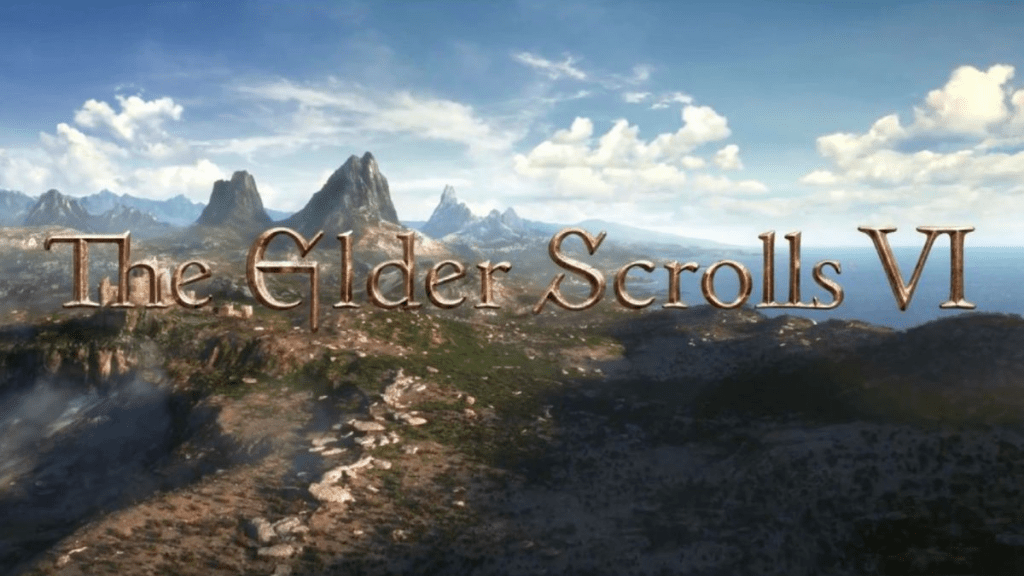
This lack of clarity is likely holding Xbox back, as lots of fans will be waiting to know whether they can play games on other platforms before committing to buying a console or Xbox Game Pass. Because of this, providing a clear stance on the exclusivity status of each game will give the gaming community the knowledge needed to make a decision, likely resulting in more sales.
4. More Ways to Play
Finally, Xbox really need to focus on providing more ways to embrace the gaming community, allowing them to play Xbox games anywhere. With the brand seemingly putting a greater focus on Xbox Game Pass than their hardware, creating more ways to access the service increases the potential audience, leading to more subscriptions.
There are two ways Xbox could do this. One, they could increase their hardware arsenal by releasing a gaming handheld, streaming device, and mobile accessories.

Last year’s leaks suggest these were in the pipeline, but we have yet to see an official announcement for any of these devices. This is a shame, as these devices would allow more ways to enter the Xbox ecosystem, especially if these devices are more affordable than the existing consoles.
Alternatively, they could add Xbox Game Pass to more devices. The service is already available on PC, Samsung TV’s, Meta Quest Headsets, and Amazon Fire TV Sticks, more platforms gives more casual gamers access the latest Xbox titles without having to buy additional hardware.
While I don’t see Xbox Game Pass arriving on the Nintendo Switch or PlayStation 5 anytime soon, adding it to more TVs and streaming devices would be a great way to tap into a new audience and introduce them to the Xbox platform.


 The Gaming Reliant
Leave a comment