

The original Hades is comfortably within the conversation for being one of the best games I’ve ever played. Combining an addictive gameplay loop with a detailed narrative based on Greek mythology, Hades somehow made failing seem like a reward.
As a result, the story of Zagreus’ escape is considered a masterpiece, receiving plenty of praise and ironically securing its place in gaming immortality. However, such praise could be considered a blessing and a curse for the sequel, Hades II.

Like the original, Hades II has been initially released as an early access title, allowing Supergiant Games to conduct plenty of fine-tuning and feedback before a full launch. And with such lofty expectations after the success of its predecessor, what can a return to the underworld do to replicate, or even improve, previous triumphs?
To find out, I decided to voyage to the depths once more, this time as the sister of Zagreus, Melinoe, with the hopes of capturing some of the same magic.
Story
Hades II follows on from the events of the original game, in which a significant amount of time has passed. Whilst the timings are not 100% clear, it is substantial enough for protagonist Melinoe to have been born and raised after the conclusion of Zagreus’ journey.
Her childhood is filled with tragedy and anguish, as her father Hades, along with the rest of her family, have been captured by the Titan of Time – Chronos (who is also Melinoe’s grandfather). Because of this, Melinoe has been training her whole life to fight her way through the underworld and save her family from the grasps of Chronos, juxtaposing the premise of the original.

Some of the narrative tropes are carried on from the original, such as the aids from Olympus and the trecherous journey through multiple landscapes. That being said, the refreshed set of characters, settings, enemies, and motivation gives the sequel plenty of unique elements.
A handful of characters make a return from the original, such as mainstays in greek mythology, Zeus and Poseidan, both of which play surprisingly minor roles.
However, a lot of gods that were key to helping Zagreus are either missing or sidelined at the start of Hades II. Even our trusty ol’ pal Skelly has been replaced by the mighty warrior Schelemeus. Instead, Melinoe is accompanied by a new pantheon of greek legends to interact with.
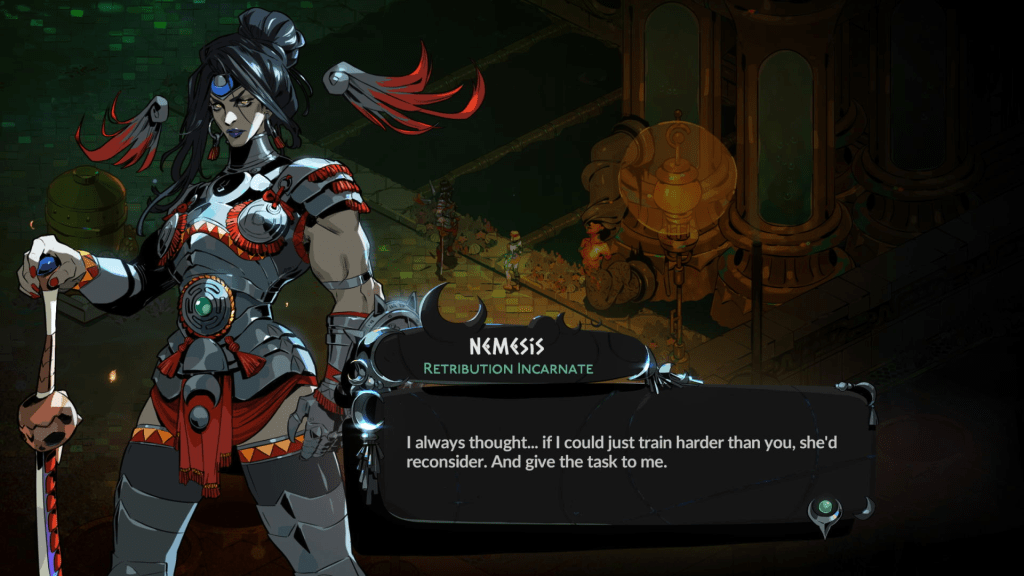
Along with new characters is a brand new setting – the Crossroads. Again, this acts as the safe place for Melinoe to rest, forge enhancements, interact with companions, and prepare for the next attempt.
Lots of the changes in both the narrative and setting of Hades II can be simplified into fresh coats of paint on the existing foundations set out from the original. But I feel as though that would be unfair. This game not only alters but evolves the story of the original, allowing players to take their knowledge from Zagreus and use it to juggle more quests and story arcs at once.

The differences only become more apparent as the narrative progresses, as Hades II is jam-packed with twists and turns to uncover. Whilst each surprise feels less impactful than the shocking discoveries we had with Zagreus, a number of unresolved mysteries could change my opinion once the game is complete.
At the time of writing this review, I have played roughly 10 hours of this game, and it feels as though I have barely scratched the surface. Plus, the game is still in early acess, so there is still plenty of time for the overaching story to develop.
Mechanics/Gameplay
In a similar fashion to the story, the fundamental mechanics of Hades II will feel very familiar to those that have played the previous game. The roguelike elements are still in full swing here, with high-paced action and carefully crafted upgrades being to key to success.
Anyone not aware of how this game, or roguelikes in general, operates could be in for a shock when they are defeated for the first time. Unlike most games with a linear narrative, being defeated doesn’t load a game over screen and send you to the last checkpoint.
Instead, this brings you back to the beginning of the game, offering you the chance to recover and prepare for another attempt. Because of this, the starting location typically acts as a central hub where players can progress story arcs, find unlockables, and upgrade skills that will be vital to their eventual success.
Personally, I love this structure, as it makes each failure seem like a part of the journey, encouraging you to persevere through the hardships and strategically work your way towards victory.

From my experiences with various roguelikes, the Hades games are among the best in terms of blending the narrative into this mechanic. So much so that a lot of the revelations in the story will have you believing that you were meant to fail at a certain point of an attempt to coincide with the eventual aftermath.
On top of this, the game is pumping with secrets to uncover, all of which are meticulously drip-fed after each attempt, giving players plenty of motivation to keep going. What surprised me most was that playing in ‘early access’ has not impacted this in my playthrough, as each run through the underworld opened up new possibilities.
Whilst the roguelike elements of Hades II are at the heart of the game, the isometric action is perhaps what developers Supergiant Games are best at. Using their experiences in the original Hades – as well as previous games such as Bastion and Transistor– they had no issues providing high-stakes, fast-flowing combat.

Surprisingly though, there are a number of significant changes to these systems in order to give Melinoe her own style and characteristics. Mainly, the focus on magic has been amplified in favour of the Hack’N’Slash tendencies adopted by Zagreus.
Though many of those elements remain, the magic slows down the combat slightly and thrives on precision, requiring players to be more calculated and patient during encounters.
This was a smart move on Supergiant’s front, as it forces new and old players alike to adjust to the combat style before succeeding. Experiences with the previous game will certainly help, but I don’t think many people will be able to breeze through in a handful of attempts.
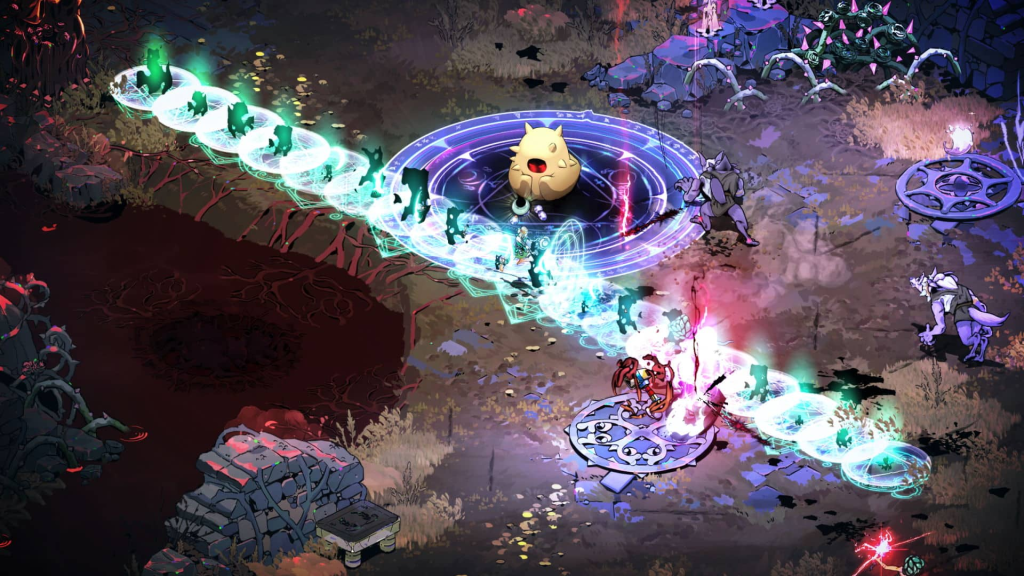
The best example of changes to combat comes from the Casts. Previously, using a cast would fire a projectile at an enemy, weakening them in the process. However, this game changes the Cast into a spellbinding ring that traps foes in place, which can also cause lots of damage when charged up.
As part of the new Omega moves system, attacks, special attacks, and casts can all be charged up to create extremely powerful blasts of magic. These can only be used sparingly, but can have a major impact on the outcome of each encounter when executed correctly.
All aspects of Hades II include elements that differentiates them from the first game. But with that being said, the progression system is perhaps the least substantial.
Plenty of changes have been made, such as swapping out and adding lots of the Boons and items, but these adjustments often come across as sideways steps rather than key changes that propels the series forward.
In fact, the amount of progression mechanics introduced within the first few hours is borderline overwhelming, even for veteran roguelike gamers. At times, it is extremely difficult to balance a number of these systems at once, with many of the items needed for upgrades overlapping or simply being yet to be introduced through the story.
For the most part, the gameplay of Hades II is very intricate and well thought out, offering endless excitement via small dopamine rushes after each encounter and attempt. However, it does walk a fine line between fun and overwhelming at points, which could easily be crossed by the time of full release.
Developments and Changes
Sequels can be one of the most challenging forms of media to excecute, as it requires creators to walk a fine line between familiarity and expansion.
A new addition to any franchise – gaming or otherwise – needs to include several new concepts in order to differentiate from what came before, whilst also offering callbacks and key themes from the original to appease the expectations of a devoted fanbase.
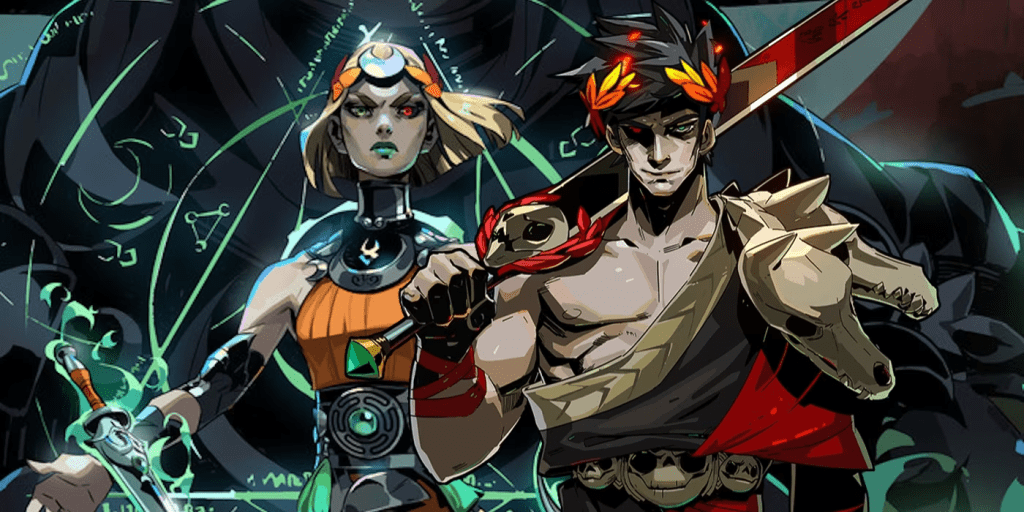
That is why I’ve been referring to the original Hades throughout my review, as it sets the standards in which Hades II needs to uphold. From a journalistic standpoint, it could be argued that I should have judged this game on its own merits, with no regards to how it compares to my previous adventure through the underworld with Zagreus.
However, this would feel disingenous, as the similarities, enhancements, and adjustments I’ve found within Hades II have played a key role in my playthrough. They’ve even influenced my enjoyment of the game at times, leading to moments of excitement, confusion, and shock.
And though talking about the key aspects of Hades II is very important because it allows newcomers to determine whether the game interests them, the changes are just as crucial to anyone that has played Hades before.
Outlining the changes will not only provide veterans with an idea of whether what they loved about the previous game is/isn’t included in Hades II, but it forges a core identitiy of what the ‘Hades’ series is.
With that in mind, what siginificant changes have been made in Hades II? And does the game manage to find equilibirum between development and foundation-building?
After playing Hades II for over 10 hours – and only stopping so that I could play the latter stages of the game after early access- I believe this is one of the best example of what a sequel should be.
This game is constantly balancing fresh concepts with the fundamentals that made the previous game successful, resulting in a thrilling experience for newcomers and veterans alike.

Instead of making wild left turns that take away or diminish the strengths of the original game. However, Hades II doesn’t feel as though it relies on the first game too much, allowing Melinoe to carve her own path.
The game’s setting – the crossroads – is the catalyst for all the changes and enhancements found within the sequel, acting as the centrepeice that ties the cosmetics, mechanics, progression, and story together.
This fresh location provides developers with an easy justification for why aspects of the previous game might look or function differently. And rather than make only a few small tweaks here and there, almost every character, mechanic, and item has received a facelift.

Pehaps the best example of how these changes aim to enhance Hades II comes from the progression system. At face value, the way in which weapons, powers, and upgrades operate seem fairly similar to the first Hades.
However, the game adds several layers to the original format, with more layers being added on top as you progress through the story. The additions and enhancements are so layered that it comes close to overcomplicating the system entirely, leaving players muddled as to what they should be focussing on next.
Take weapons for example. Melinoe has a fresh set of weapons to discover and enhance in a similar fashion to how her brother did. But, she also can uncover sets of tools, which can also be upgraded, including the fishing rod that Zagreus was limited to during his journey.

On the other hand, the story is surprisingly where the game seems to struggle to break free from its past. Going into Hades II, it would be easy to assume that the story would provide the greatest distinction from the original, but it is simply not the case.
Despite there being a number of unique tales and characters to find within Melinoe’s ventures outside the Crosslands, they are all linked to the events and protagonists of the previouse tale. As a result, the constant reminders suggest that Zagreus’ journey is an essential part of the plot, when it arguably doesn’t to be.
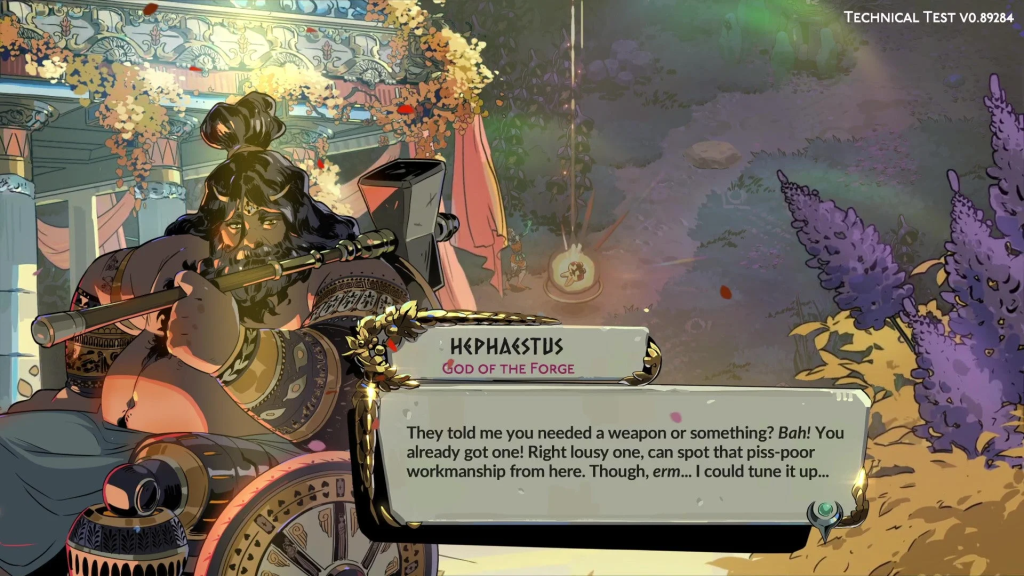
On the whole, Hades II acheives what many sequels can’t. It embeds the biggest strengths of its predecessor into a fresh and revitalised adventure, providing old and new players alike an experience that is fun and challenging.
Whilst it is not shy in taking inspiration from the original, it adds plenty of twists and layers into each of the fundamental aspects of the game that fans have come to know and love.
Final Thoughts
With the first Hades being one of my favourite games of all time, it’s safe to say that my expectations were unbeleivably high for Hades II. But despite the odds – and the fact the game isn’t even complete yet- I can confidnetly say that Hades II lives up to my lofty expectations.
Offering the same thrilling high-paced combat and rewarding character progression that I loved so much in the first game, Hades II ensures to put its own flair on the solid foundations it adopted.
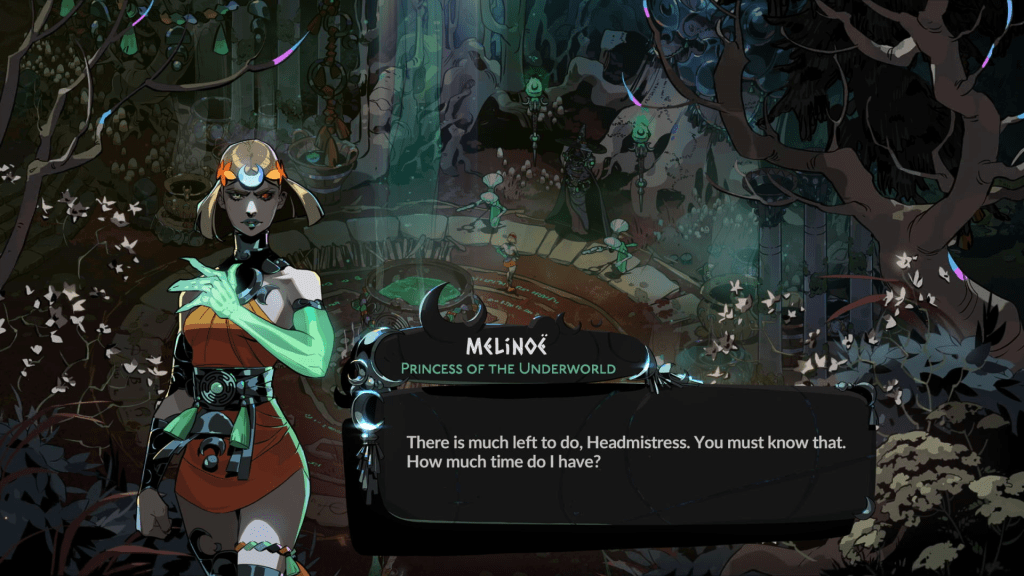
Almost every aspect of the game has been re-imagined and developed upon. From the visuals to the combat, as well as the progression and characters, no stone has been left unturned.
Melinoe’s journey is already a tale for the ages, with the potential of reaching the summit of Mount Olympus in the same way that Zagreus did. It’s weird to think of this game as an early access launch, as it already feels so complete, but I’ve never felt more confident that a game will be adored by so many when it finally launches.

Whether you decide to wait for the full release or not is up to you, but everyone should pick up Hades II at some point, as it is simply a delight. And if you don’t want to play Hades II in early access but can’t wait to get stuck into this world, then the previous entry is the perfect way to pass the time.
Rating
In all honesty, it feels too early to give Hades II an official rating. Whilst this game seems to be further along the development cycle than most early access releases, there are still plenty of tweaks and features that are yet to appear.
That being said, my initial thoughts of Hades II are overwhelmingly positive. Sequels are always a hard ask, as there are plenty of directions in which a story can develop, making mis-steps more likely.
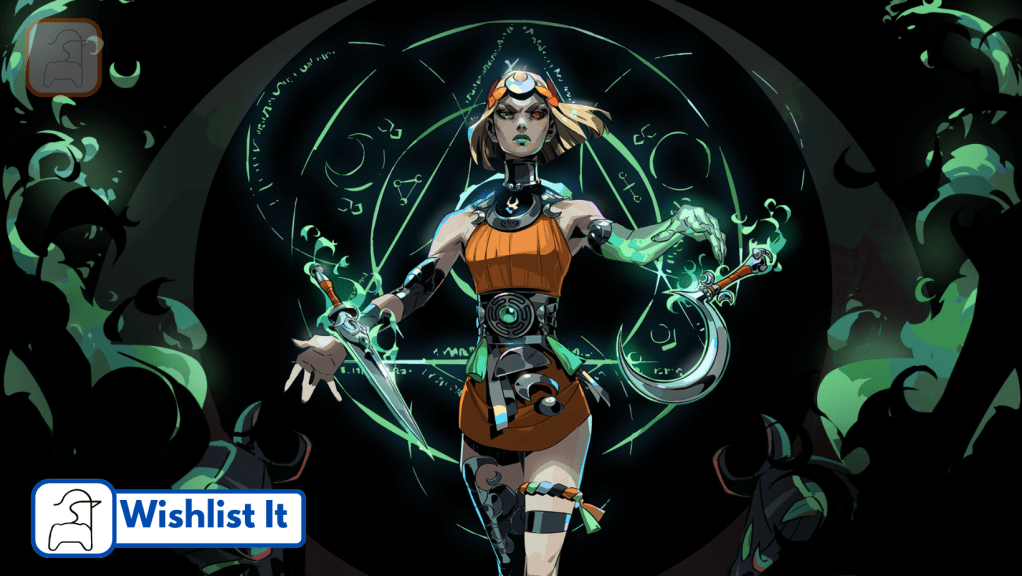
But the gods are on the side of Hades II, as this follow-up strikes a perfect balance between improving on the original concept and replicating what made it so magical in the first place.
For now, I would encourage everyone to at least wishlist Hades II. But expect this recommendation to be upgraded when version 1.0 is released.
Purchase Hades II (Early Access) on:


 The Gaming Reliant
Leave a comment