
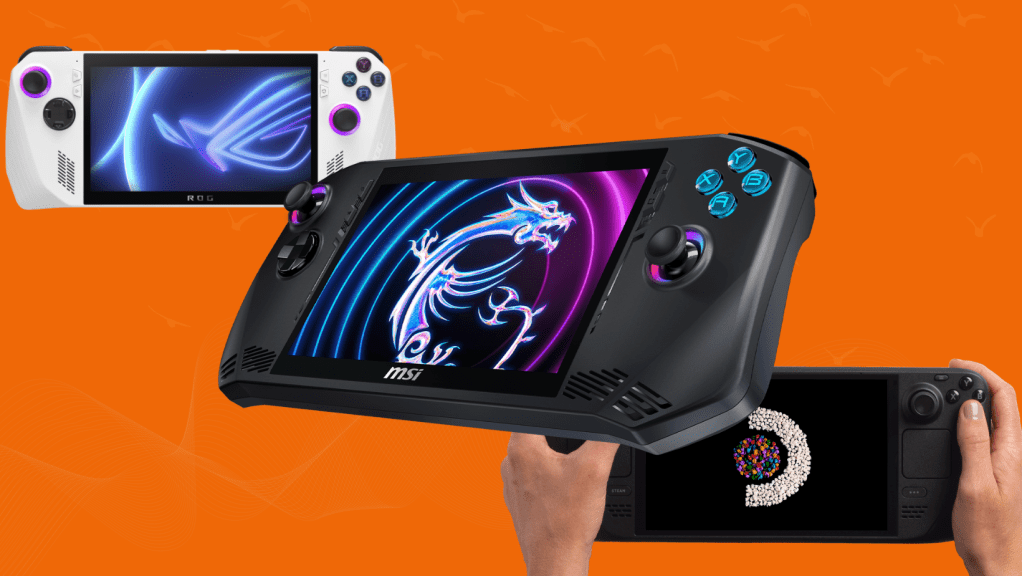
In 2023, PC gaming handhelds took the world by storm, quickly establishing themselves as the next big thing in terms of gaming hardware. After the success of the Switch, gamers have been clambering for a better portable experience when playing their favourite titles.
Now, it seems as though manufacturers have started to catch on. A number of handheld devices dedicated to PC gaming have slowly entered the market, with the likes of the Steam Deck, ROG Ally, and Legion Go making a big impact on arrival.
However, this won’t be the last we hear of these devices, as 2024 is set to be the year where PC gaming handhelds truly enter the stratosphere.
Here’s why 2024 will be the year of gaming handhelds.
A Sign of Things to Come
2023 was the year where PC gaming handhelds finally burst onto the scene. Whilst gaming handhelds are by no means a new concept, it wasn’t popularised until the arrival of the Steam Deck in 2022.
Before then, PC gamers would have to rely on crowdfunded campaigns from lesser known manufacturers, such as the AYN Odin and AYANEO Geek, to get their fix on the go.
In the wings, some of the biggest gaming manufacturers were developing their own portable hardware. Though the crowdfunded devices could have played a part in these decisions, the success of the Switch seems to have been the main catalyst that convinced these brands to take the punt on handheld gaming for PC.
Given the development time needed to create these devices, multiple brands had undoubtedly been working on their first ventures into handheld gaming before the Steam Deck arrived. Unfortunately for them, the Steam Deck got to the finish line first.
It was quite the risk for Valve, as PC gaming handhelds were still an unknown commodity at the time. However, the steps taken were very calculated, as many PC gamers were crying out for a portable method of playing their favourite titles.
As a result, the Steam Deck became an instant hit, grabbing the attention of a wide audience of console and PC gamers. After the success of this device, a number of alternatives from other manufacturers hit the market.
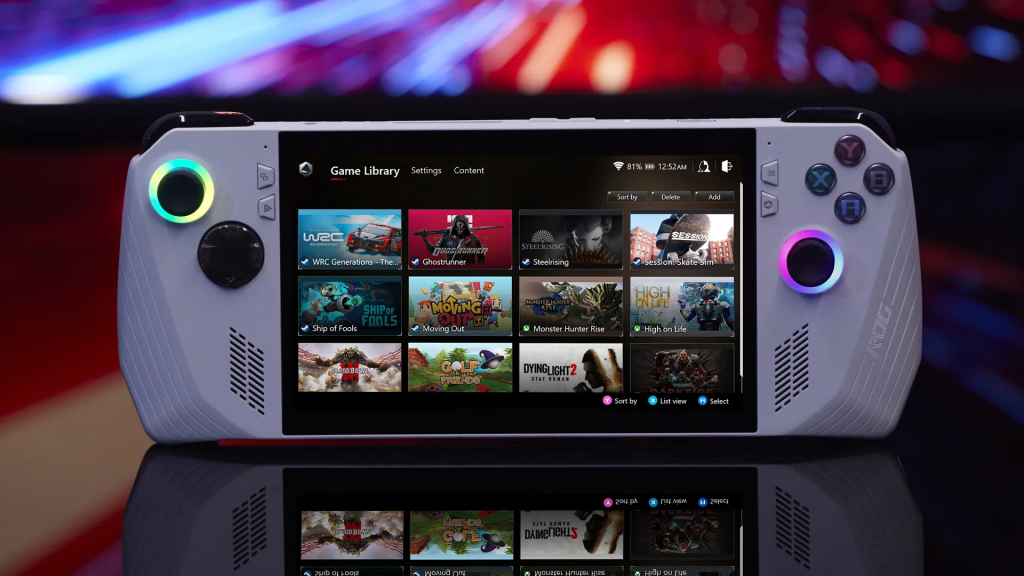
The ASUS ROG Ally arrived a year later, offering elevated frame rates and resolution. This was followed by the Lenovo Legion Go, a device that added detachable controllers for a complete portable experience.
Whilst these devices have proven to be a successful set of gaming handhelds catering to the needs of the mainstream audience, this is by no means the last we’ve seen of these systems.
Who’s Next?
So if the next 12 months is going to bring more PC handheld gaming goodness, which brands will be stepping up to give us some options to expand this growing market. Well, we already know of one brand set to release a portable device, and I believe a few others will follow their lead.
Starting with what we know, MSI have already unveiled their Claw A1M gaming handheld back at CES 2024. This device is the first PC gaming handheld to be powered by Intel’s Core Ultra technology, rather than AMD’s Ryzen Z1 architecture.

This does lead to plenty of unknowns when it comes to performance, but the other key statistics MSI have claimed the Claw A1M are intriguing. Mainly, the 53Whr is a significant improvement on the competition, making it easier to prolong gaming sessions.
Putting performance aside, the design looks to be very similar to the ASUS ROG Ally, only with a darker colour-scheme and larger vents on the back for greater airflow. As for connectivity, the Thunderbolt 4 port indicate this device will easily connect to external displays or docking stations.
Whilst there are plenty of reasons to be excited about the arrival of MSI’s Claw A1M, the most interesting aspect to come from this reveal is the Intel technology backing it. Though it’s possible this will be the standalone system to utilize Intel’s Core Ultra, I’d suspect that more devices backed by Intel will enter the market sooner rather than later.
The question is, which brand will be next to dip their toes into the world of PC handheld gaming?
If I was a betting man, my money would be on either Gigabyte or Corsair? This is simply because both are huge PC gaming manufacturers that like to branch out into innovative projects.
At the moment, a gaming handheld seems like the most logical step if either want to expand their portfolio of gaming products. Currently, Gigabyte’s familiarity with gaming laptops would put them as the favorites to be the next brand to release a device dedicated to handheld gaming.
But what about any outside bets? Well, the likes of Xbox and PlayStation have been teasing dedicated handheld devices, which could also allow gamers to access their Steam or Epic Games libraries. However, the arrival of the PlayStation Portal in late 2023 and Xbox’s PC Game Pass makes this less likely.
The next possibility is an updated version of existing hardware. Murmurs from higher-ups at ASUS have suggested that the ASUS ROG Ally might be getting a refresh as early as 2024, despite the original only releasing in the summer of 2023.
No matter what ends up happening from now, the confirmed arrival of the MSI Claw A1M, as well as any other surprises that are bound to come our way, is truly exciting!
The Impact of the ‘Switch 2’
The biggest stumbling block that could derail the PC gaming handheld hype train would be the arrival of the ‘Nintendo Switch 2’. With the original Switch arguably acting as the catalyst for the resurgence of handheld gaming, a new rendition of the device is bound to steal the spotlight.
According to various rumours, the next generation of Nintendo hardware is set to arrive at some point in 2024. With the ongoing success of the Switch, most reports are suggesting that this will be an enhanced version of the console, in a similar fashion to the Wii U.
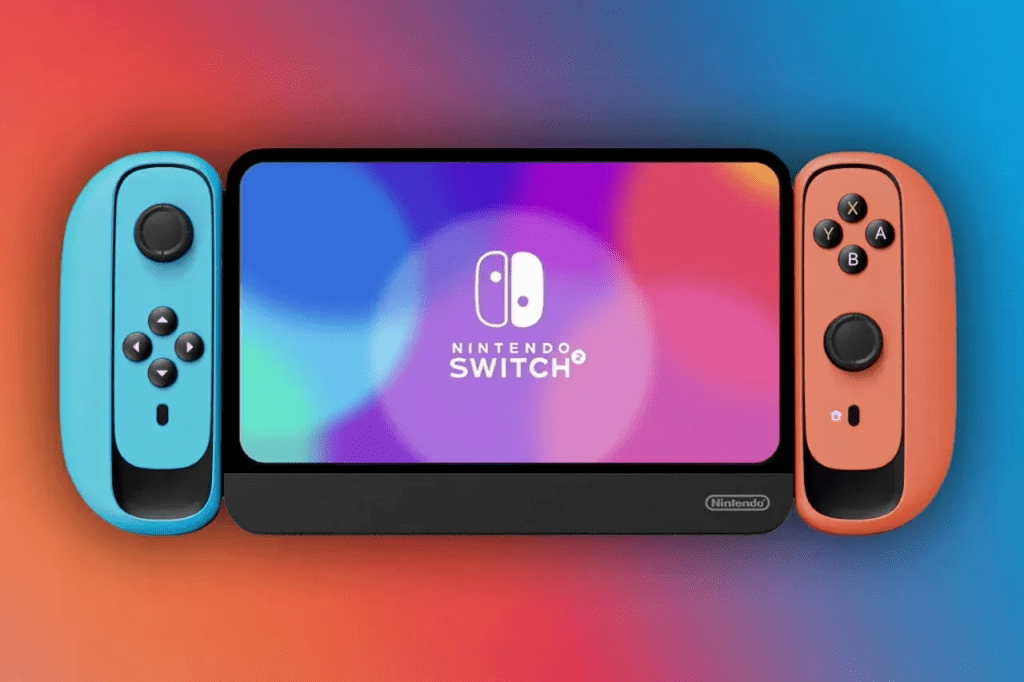
If Nintendo’s next console is just a more powerful Switch that can compete with the performance of PC gaming handhelds, lots of causual gamers and Nintendo enthusiasts will opt for this rather than the likes of a Steam Deck or ROG Ally.
This will likely lead to the a declined interest in the PC gaming handheld market, as the Switch is bound to be significantly cheaper, and also comes with access to Nintendo’s star-studded first-party line-up.
That being said, a large audience of gamers will still choose PC gaming handhelds, even if the Switch’s successor does release. This will mainly be PC gamers or enthusiasts that want optimal performance and access to their library of PC games, something that Nintendo is unlikely to provide.
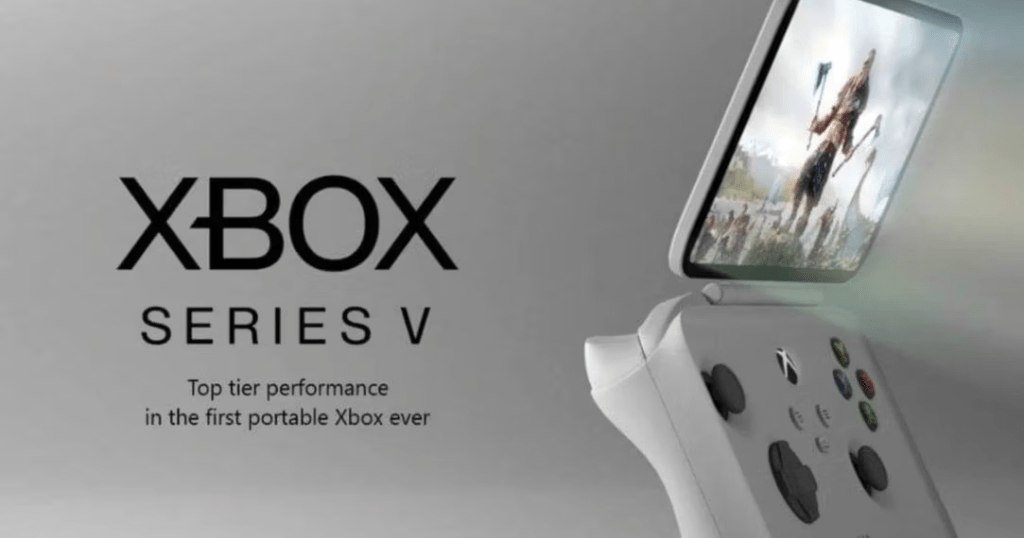
Other announcements that could interrupt the rise of PC gaming handhelds would be if Xbox announce a handheld device, which would likely come with some Windows integration, or an advanced iteration of the PlayStation Portal.
Unfortunately, neither option seems like a possibility – at least in 2024. Xbox seem more likely to release a cloud gaming device, with the rumored ‘project Keystone’ not being fully out of the picture. As for PlayStation, the Portal only release in late 2023, making it seem too early for an updated version.
Closing Thoughts
So with all the factors considered, there seems to be plenty to be excited about in 2024 for fans of handheld gaming. Whilst the specifics on the devices set to release is not quite clear, we know of at least one new device from MSI.
Whilst there are a number of obstacles that could disrupt the growth of PC gaming handhelds, the future looks bright for the likes of the Steam Deck, the ASUS ROG Ally, and the Lenovo Legion Go.


 The Gaming Reliant
Leave a comment